Who’s Laughing Now? The Joke’s on Doctor Who, and Even the BBC’s In on It
Feature by Ben Lawton.
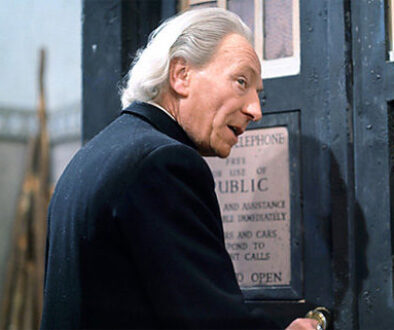
I’ve been a Doctor Who fan long enough to remember when the show became the butt of jokes in the late 1980s. At times, it was painfully embarrassing to admit you watched it. The budget looked stretched to breaking point, the sets wobbled, and the monsters often looked like they’d been cobbled together from a charity shop. And yet, somehow, we stuck with it. We forgave a lot because we still believed in the show’s heart and ambition. But eventually, the ridicule from press and public drowned it out, and the BBC quietly shelved it. Doctor Who disappeared from screens.
Now, decades later, I can’t shake the feeling we’re watching it happen again.
Over the past few weeks, Doctor Who has faced some of its harshest public criticism in years, and not just in niche corners of the internet. Mainstream press outlets, including some typically supportive, have turned cold. Even BBC radio presenters, on the show’s own platform, have begun voicing their dissatisfaction. On one recent broadcast of Much Watch, a listener texted in with a critique of the show’s current tone and political messaging, calling it alienating and overly moralistic. One of the presenters responded, “I never watch it by choice,” which prompted a big laugh in the studio. She went on to admit, “Sometimes it does feel like you’re being lectured to. I’ve come in and said exactly the same thing as Andy [the texter]. He’s not imagining it, he’s not alone.”
It was a startling moment of honesty, not because it came from a critic or a fan, but because it aired on BBC radio itself, the very organisation behind the programme. This wasn’t a fringe podcast. This was national radio, on a programme meant to support and discuss television. When your own broadcasters are echoing the criticism, something has gone seriously wrong with the show.
Then came Dead Ringers. For those unfamiliar, it’s a long-running BBC Radio 4 comedy series known for its political and cultural satire. Their latest sketch didn’t just tease Doctor Who, it absolutely dismantled it. The version of the show they presented was a hollow, sentimental mess filled with overdone CGI, clumsy representation, and one emotional platitude after another. The Doctor wins not with cleverness or bravery, but by unloading so many syrupy clichés that the monster dies “of cringe.” It ends with the line, “Laters, I’m off to regenerate into Billie Piper for clicks.”

And yes, I admit I laughed. But it wasn’t a joyful laugh, more the quiet kind that comes with resignation. It was funny in the way that hits a little too close to home. The sketch worked because it was exaggerated, but not by much. And that’s what makes it concerning. When satire this pointed airs on the BBC, it signals something deeper than just a wobbly episode or two. It suggests the show is once again becoming a cultural punchline.
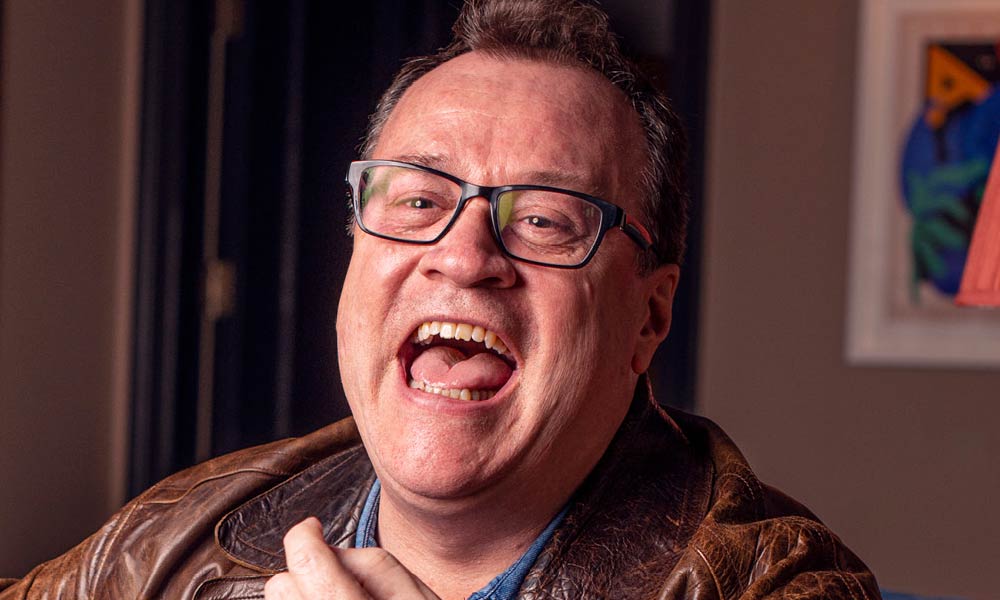
This wasn’t supposed to happen. When Russell T Davies returned to the series in 2023, there was genuine optimism. But to understand why his return meant so much, you have to look back at his first era.
In 2005, Davies didn’t just bring Doctor Who back, he rescued it. He understood the show had been remembered by the general public as a national joke and made it his mission to restore its reputation. He hired Christopher Eccleston, gave it weight, relevance and prestige. The show wasn’t just fun, it was respected. It belonged in prime time again. It had emotional depth, real stakes, and broad appeal.
But his second era has been very different.
The show looks more expensive than ever, and it is. Thanks to the Disney+ deal, Doctor Who now has the biggest budget in its history. But for all that money and gloss, it feels less certain of itself. Themes are hammered rather than woven. Emotional moments don’t always feel earned. At times, the show seems more concerned with proving a point than telling a good story.
I’ve defended the show through far worse. I stood by it when it was held together with cardboard and Blu Tack. Back then, it still had some soul. Now, with endless resources and a proven writer in charge, it somehow feels like it has lost its identity. Instead of confidence, there’s a creeping sense of desperation.
And I’ve seen where that road leads because I saw all this when the BBC gave up before. Not so long ago, the idea that it could collapse again felt impossible. But with each drop in ratings, and the creeping loss of confidence from the very institution that once championed it, the idea of cancellation feels less like a distant threat and more like a serious possibility.
It is bitterly ironic that the man who once saved Doctor Who might now be overseeing its decline. But that is where we are. The wobbly sets may be gone, but all the production value in the world cannot make up for a missing heartbeat.
I don’t want to give up on Doctor Who. I never have. But if something doesn’t change, and soon, we may be witnessing it fall apart all over again. I hope there is still time to course-correct, to rediscover all that made the show so beloved in the first place. That will take more than money, or good intentions. If the current path leads only to decline, then perhaps it’s time to hand over the TARDIS keys. Because once a show becomes a mainstream punchline, the damage is already done.