
History Repeats Itself – Is The Rani’s Doctor Who Return A Seriously Bad Omen?
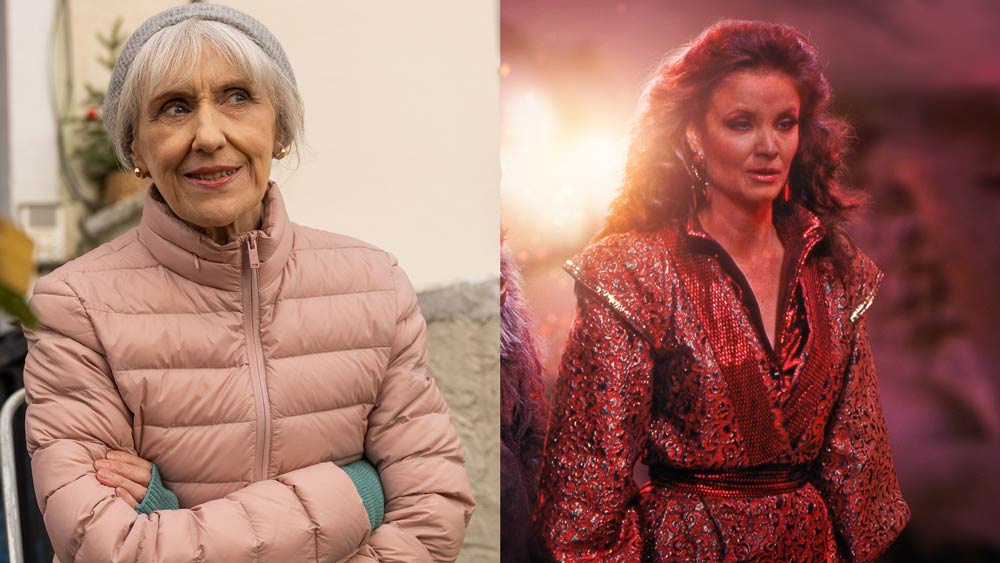
Feature by Tom Leland.
When “The Interstellar Song Contest” aired last weekend, I was stunned. The Rani. The Rani. Back on our screens after nearly 40 years. I hadn’t seen any of the spoilers beforehand, which made the moment hit all the harder. But once the initial surprise wore off, something else began to settle in.
A strange, unsettling feeling that I couldn’t shake.
Was this just a nostalgic treat for long-time fans like me? Or was it something more? Something familiar, in a worrying sort of way. And then it clicked.
Are we back in the mid to late 1980s?
Let me explain.
Then and Now: The Shadow of Uncertainty
Right now, Doctor Who is in a weird place. One week the press is talking about the show being axed. The next, they’re saying they’ll just be a little break. But no one seems to want to say anything definitive. Is Ncuti Gatwa leaving after this season? Is Disney+ happy with the performance and direction of the show? Are the viewing figures strong enough to justify the enormous investment behind the new RTD era?
The future of Doctor Who feels far from settled. And I’ve seen this before. So have many fans of a certain age.
In the mid to late 1980s, Doctor Who was on life support. Ratings were falling, the format felt tired, and the BBC seemed unsure what to do with the programme. The show was “rested” in 1985 and limped on for a few more seasons before quietly being cancelled in 1989. The press at the time speculated constantly about its future. Fan magazines debated the state of the show endlessly. Does any of that sound eerily familiar?
Back then, in the middle of this growing instability, the Rani was introduced.
Played by the fantastic Kate O’Mara, the Rani was a fellow renegade Time Lord, like the Master, but more coldly intellectual. Less moustache-twirling villainy, more ruthless scientific detachment. She was a great idea on paper. Her debut in 1985‘s The Mark of the Rani was ambitious, but it arrived at a time when the show’s foundations were already beginning to crumble.
And now, here she is again.
Moffat’s Infamous Warning
In 2012, Steven Moffat gave what has become an infamous quote among fans when asked if he’d bring the Rani back:
“People always ask me ‘Do you want to bring back the Rani?’ No one knows who the Rani is! They all know who the Master is, they know Daleks, they probably know who Davros is, but they don’t know who the Rani is, so there’s no point in bringing her back. If there’s a line it’s probably somewhere there.”
He wasn’t wrong. The Rani has always lived in the shadows of better-known villains. Her appearances came late in the classic era, during its decline. She was never quite immortalised in the same way. She was a footnote to the general public.
So why bring her back now?
Nostalgia or Desperation?
There’s a part of me that loves that she’s returned. It’s a deep-cut gift for those of us who’ve followed this show across decades. But another part of me wonders, is this a creative decision driven by affection, or by necessity?
Because let’s face it, bringing back the Rani is a very different move from bringing back the Master or Davros. Those characters have cultural weight. You can stick the Daleks on a lunchbox and sell them to anyone. But the Rani? She’s one of the last cards you play when all the obvious ones are already on the table.
And what does that tell us?
That Doctor Who, now 20 years into its modern run, might be entering the same creative territory it did in the 80s, some good ideas here and there, but unsure where to go next. The Disney+ era began with huge promise, big money, and cinematic ambition, but the audience response has been far more cautious. And the show’s current position is starting to resemble the classic era’s twilight years.
Just like the 80s, there’s growing concern from fans, a tension between artistic freedom and corporate pressures, and the quiet suggestion that maybe, just maybe, the best years are behind us.
Hoping for More Than Echoes
Now, let me be clear, I want this era of Doctor Who to succeed, but when the show starts mining characters even lifelong fans have barely thought about in decades, it starts to feel a little… desperate.
The Rani’s return made me smile, sure, but it also made me worry. Because she was there the last time this show was on the edge. And as much as I want to say that this is just a fun callback, I can’t help but wonder if it’s also a sign, a portent.
Let’s hope I’m wrong. Let’s hope that “The Interstellar Song Contest” is remembered as a turning point, not a warning.
Because Doctor Who has always been a show about moving forward. About regenerating. Reinventing. Escaping its own history. And if we are repeating the 1980s, then the real question isn’t whether the Rani is back. It’s whether we’ve learned anything since the last time she appeared.