Regenerating Into the Past: How Doctor Who Forgot to Move On
Feature by Rhys Swainston.
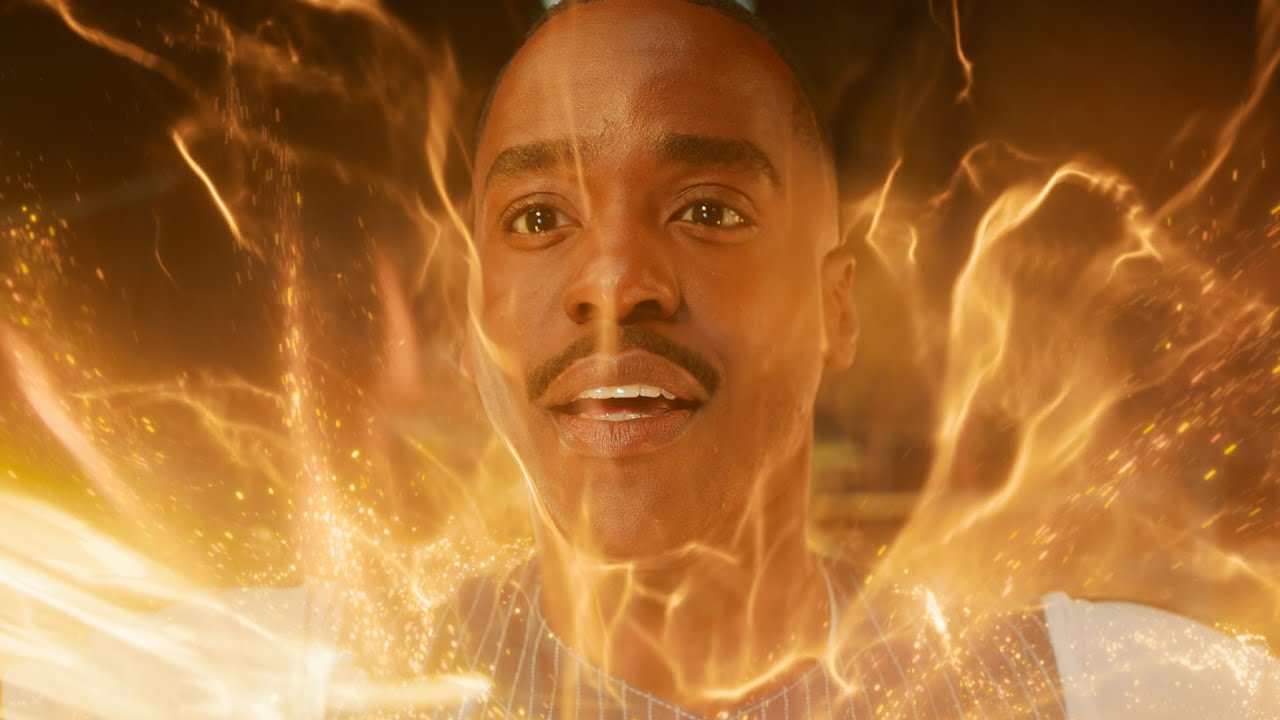
Farewell Fifteen. Your Doctor Who run was brief, controversial, and certainly not without merit. Gone Ncuti Gatwa may be, but the show lives on, now wearing the face of former Doctor Who star Billie Piper. Piper’s return, unsurprisingly, split the fandom. Some are delighted that the award-winning actor is back and are keen to see her take on the role of The Doctor. Others, myself included, rolled our eyes in frustration. Russell’s doing it again, we cried. He’s falling back on nostalgia.
I felt much the same way back in 2023 when David Tennant and Catherine Tate were brought back for three special episodes to commemorate the show’s 60th anniversary. The old showrunner’s back, the old production team is back, and the old actors are back. I hated this, Doctor Who survives through change both on screen and behind the scenes. Returning to the old ways felt like a sign of stagnation.
However, Russell T Davies surprised me. While the 60th anniversary specials had their flaws, they provided a genuinely interesting arc for The Doctor, one that the show desperately needed. Thematically, bringing Tennant back made sense, by this stage of the show, The Doctor was worn out mentally, exhausted from the centuries of loss and trauma they had endured. Thirteen regenerating into an older body, one that physically looks worn out (Tennant appears in the specials scruffy and unshaven) is a fantastic metaphor for how constant stress and trauma affect us. When the bigeneration occurred, and Fifteen embraced Fourteen like a parent comforting a child, I almost cried.
But there’s more to this story than meets the eye. If we look at it through the lens of metatextuality, we see something very interesting. Here we have a story where the reappearance of something popular from the past is viewed as a sign of fatigue and exhaustion. It outright tells you that this is a bad thing, with Donna actively worried about The Doctor. The story then ends with change as Fifteen flies off, fresh and rejuvenated, ready to start a new adventure.
This is how I, and many others, view nostalgia-baiting. It’s a sign that the show is struggling to feel relevant and successful and so, with a flash, out of the vortex appears David Tennant again. It seemed to me that Russell T Davies agreed with me, he had, after all, written a story that promised to move forward from nostalgia-baiting and into a new and exciting era. I don’t know if he meant for the anniversary specials to be interpreted this way, but that’s certainly how they feel.
How then did the show end up here? Two years later and we’re once again seeing the show fall back on nostalgia to keep the show afloat. What part of ‘fresh and new’ does the production team not understand?
The signs were there throughout the new run. True, Series 14 gave us many fresh episodes such as “The Church on Ruby Road” and “The Devil’s Chord”, both of which would look very out of place sandwiched into an older series of the show. There’s also “Dot and Bubble”, a personal favourite of mine that challenges the viewers more than any episode in the past has ever done. But then there’s “Boom”, an episode written by yet another former showrunner. Like it or not, Steven Moffat filled his script with many of his old clichés, robotic villains with a catchphrase, fast, quippy dialogue reminiscent of Twelve and Clara, and he even referenced Villengard, harking back to his first-ever episode of Doctor Who, “The Empty Child/The Doctor Dances”. Then there’s Sutekh who… well, the less said about his return, the better.
Series 15 slammed its thumb on the nostalgia button and held it for dear life. “Joy to the World” once again brought back Moffat at his most Moffat-y, “The Well” was literally a sequel to a popular episode from seventeen years ago, and the finale was chock-a-block with old villains, including Omega, who last appeared in 1983. The Fugitive Doctor also made the second-briefest reappearance in television history, beaten only by the blink-and-you’ll-miss-it cameos of Carol Ann Ford. And now, Rose Tyler is back. How refreshing.
What are we to make of all this? How did Russell T Davies go from ‘nostalgia-bait is a sign of fatigue’ to ‘hey, look everyone, Rose is back!’ in the space of two years? As ever, there are rumours of production issues that I won’t go into here as rumours are all we have. There’s also the Disney deal which, as of writing, remains up in the air. Perhaps I’m just reading too much into the anniversary specials. Maybe the subtext was just accidental. It certainly seems that way given what came after.
Many of us feel a pressing need for the show to change, to do what Davies promised back in 2023 and move on. I, for one, don’t want Billie Piper back. I want a new Doctor with a new companion facing off against new villains in new stories. I don’t need nostalgia-bait, after all, the episodes are freely available on BBC iPlayer. I can go and see Ten and Rose whenever I want. I tune into the latest episodes in the hope that I’ll see something I’ve never seen before. The show is at its best when it delivers this. “Heaven Sent”, “Midnight”, “Human Nature”, and “Dot and Bubble” did just that and they’re all the better for it. I also refuse to believe that nostalgia is all audiences want. The reaction to Disney’s Star Wars: The Rise of Skywalker was proof enough that a reliance on old, familiar content was not enough.
In short, the anniversary specials, whether on purpose or accident, got it very, very right. Nostalgia bait is indeed a symbol of fatigue. How long before that fatigue bleeds out and affects the audience? How long before people give up on the show altogether? Time will tell. It usually does.