Doctor Who “The Ten Doctors” Review
Reviewed by Gustaff Behr.
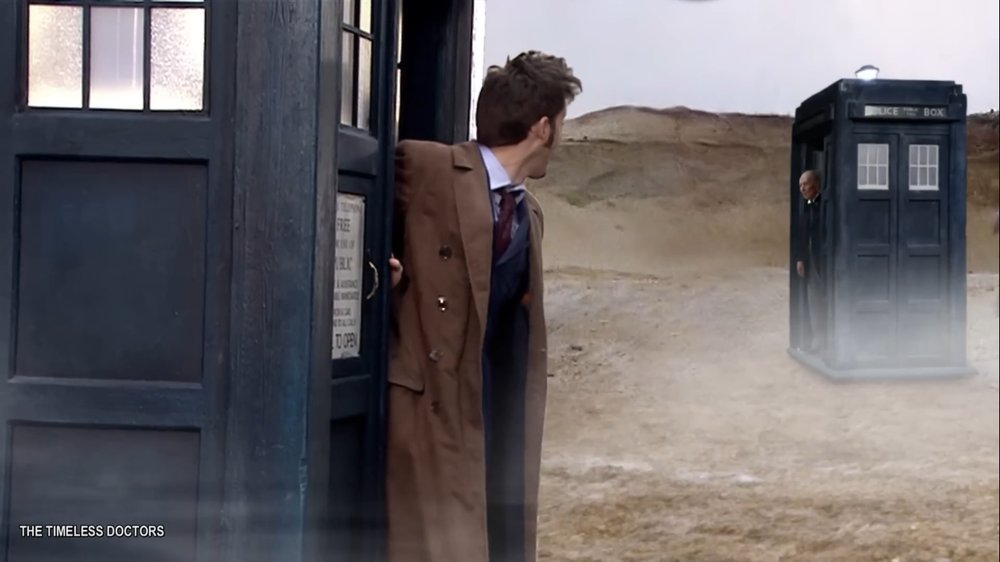
“The Ten Doctors” was a serial created by Stuart Humphryes, better known online as Babelcolour. Broadcast in four parts between 2009 and 2015, this fan project ingeniously repurposed stock footage from nearly every episode of Doctor Who, weaving together dialogue and voiceovers from over 400 episodes spanning fifty years to unite the first ten incarnations of the Doctor in a single, cohesive adventure.
Released as four ten-minute episodes, the serial became a cult favorite among fans for its sheer ambition and creative execution. However, both the original and its later updated versions have since been removed from Stuart’s official channel, making it one of the rare pieces of Doctor Who media that lives on primarily through memory or lucky downloads, a club I am grateful enough to be part of.
“The Ten Doctors” received widespread acclaim within the Doctor Who fan community, garnering over a million views across its four episodes. Episode One was even featured as a recommendation in the March 2010 issue of SFX Magazine. Digital Spy named it one of the “8 Most Amazing Fan Videos on YouTube,” and in 2019, Stuart revealed plans for a fully remastered reimagining of the project, retitled “The Timeless Doctors.” This would be a significantly expanded version, expected to span four episodes once again, but with 30–40 minutes per segment. Originally slated for a 2023 release, this retelling has since been pushed to 2026. Stuart has confirmed that Episode 01 will now be released in December. But before we get excited for what’s to come, let’s look back at the groundbreaking production that started it all.
EPISODE 01
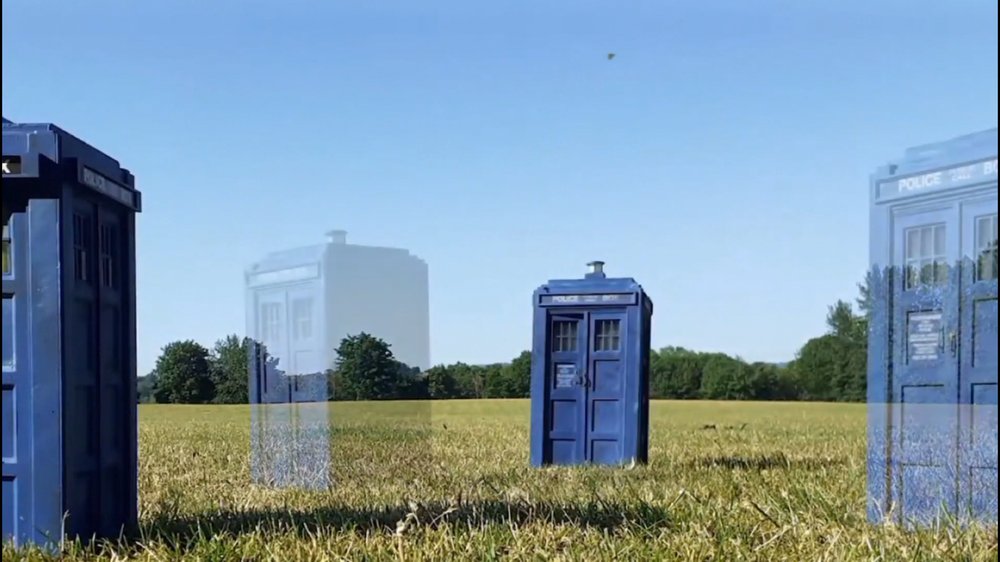
The First and Second Doctors are abducted by an unknown force. Shortly afterward, the Third Doctor is contacted at UNIT by someone claiming to be Lord President of Gallifrey. He has a dire warning for the Doctor: unless he and his other incarnations can locate and rescue their earliest selves, their entire timeline will unravel.
Meanwhile, the Seventh Doctor is given the job of contacting the rest of his incarnations. This works, and he joins his Fourth, Fifth, Sixth, and Tenth selves, arriving at UNIT HQ during the events of “The Three Doctors” and UNIT’s battle with the Gell Guards.
The Doctors each try not to get shot, friendly or otherwise. Ten locates a jeep and is driven away by a UNIT soldier when a Dalek materializes in front of them.
EPISODE 02
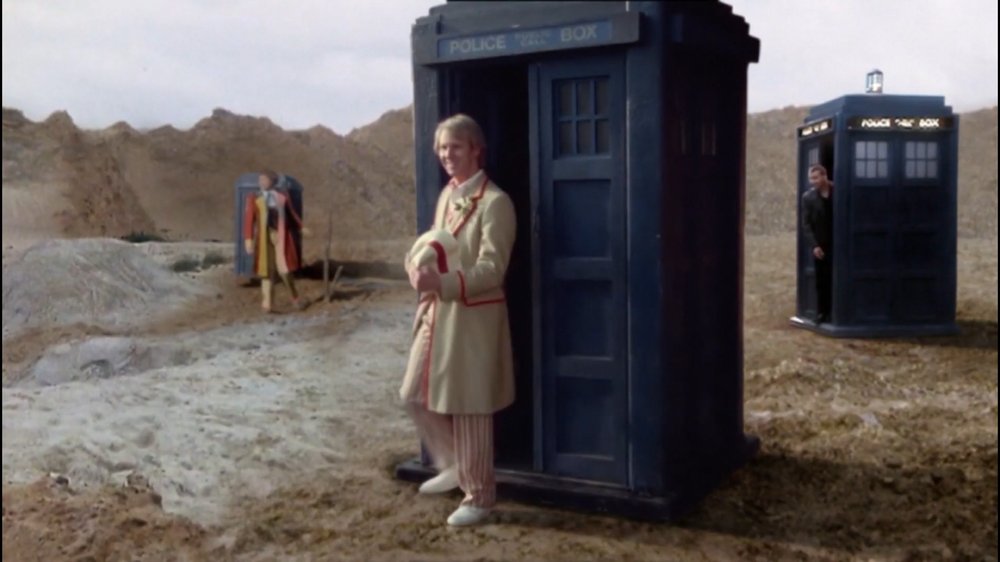
History has been altered, bringing the Daleks into the fray. They recognize the Doctors on sight and start trying to kill them.
Four, Five, Six, and Seven manage to close the portal the Daleks are emerging from, while Ten manufactures a device that shoots out an energy beam, destroying all the Daleks in the area.
Having recovered their second incarnation, the President of Gallifrey sends the Doctors to join Three (not the one from “The Three Doctors”), Eight, and Nine, who have located the First Doctor in Cardiff Castle in 1415. Just as they arrive, they are besieged by Sontarans. While One manages to return to his TARDIS, he can do nothing but watch on his scanner screen as all his future incarnations are gunned down by Sontaran troopers.
EPISODE 03
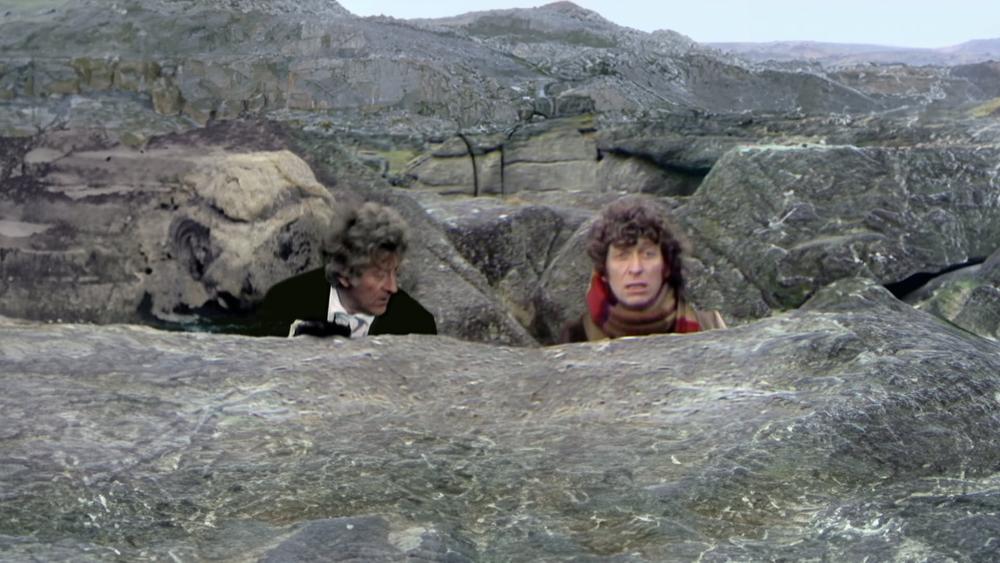
The First Doctor uses a transmat to teleport his future selves into his TARDIS, where much to their confusion, they wake up… uninjured. One configures the TARDIS exterior to materialize in the console room, claiming that it somehow contains all the Doctors’ TARDIS interiors.
The Doctors retreat to their respective console rooms, where they reverse the polarity and blast the Sontarans’ probic vents directly with enough temporal energy that it doesn’t just kill them but destroys their battleship in orbit. The Doctors are contacted by the Lord President, who is about to give them the next phase of their mission when they notice an anomaly in the President’s signal. The Doctors trace the signal to a space portal and opt to investigate that instead of doing what the President wants.
All ten incarnations step out onto the planet Raston during the Dalek-Cyber war. They arrive in the middle of a three-way battle between Daleks, Cybermen, and Raston Warrior Robots. The Doctors are, for the third time in about thirty minutes, recognized on the spot and shot at by the Daleks and Cybermen, who are then defeated by the Raston Warrior Robots. What is odd is that the robots don’t seem to target any of the Doctors.
The Doctors notice that the space-time portal is hidden above them and use their Sonic Screwdrivers to destroy the invisible barrier covering it and enter the “dark dimension.” They find themselves in a dark, empty void, where they are greeted by the voice of “the Lord President,” who reveals that he is from a parallel reality created by the Doctor when he used the Moment to win the Time War. His plan has been to gather the Doctors in one place so that he can steal their life force.
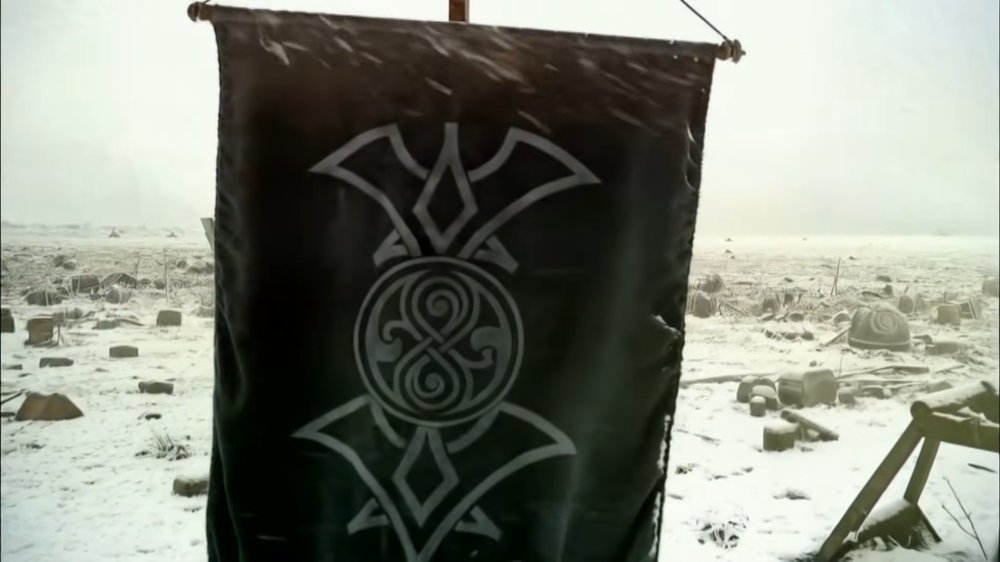
EPISODE 04
The Evil Doctor tells the Doctors that they won’t live to see their successor, but Three corrects him, stating that they’ve already met Eleven. In fact, Eleven contacted them all before the adventure began, warning them of the Evil Doctor’s plan.
Eleven then time travelled and helped his other incarnations by leaving the jeep with the portal-closing technology behind for Ten to find. He also tampered with the Sontarans’ weaponry so they wouldn’t kill his earlier selves. Eleven then travelled ahead to reprogram the Raston Warrior Robots to ignore Time Lord physiology.
The Doctors have only been playing along in order to rescue the future versions of the first two Doctors, which the Evil Doctor had kidnapped. Eleven arrives in his TARDIS, along with the War Doctor and a future version of Ten (set after “Planet of the Dead,” after the meta-crisis). The Evil Doctor reveals the life-force absorption chambers, but the Doctors quickly send the two kidnapped Doctors back to their own time, hoping to avert the absorption.
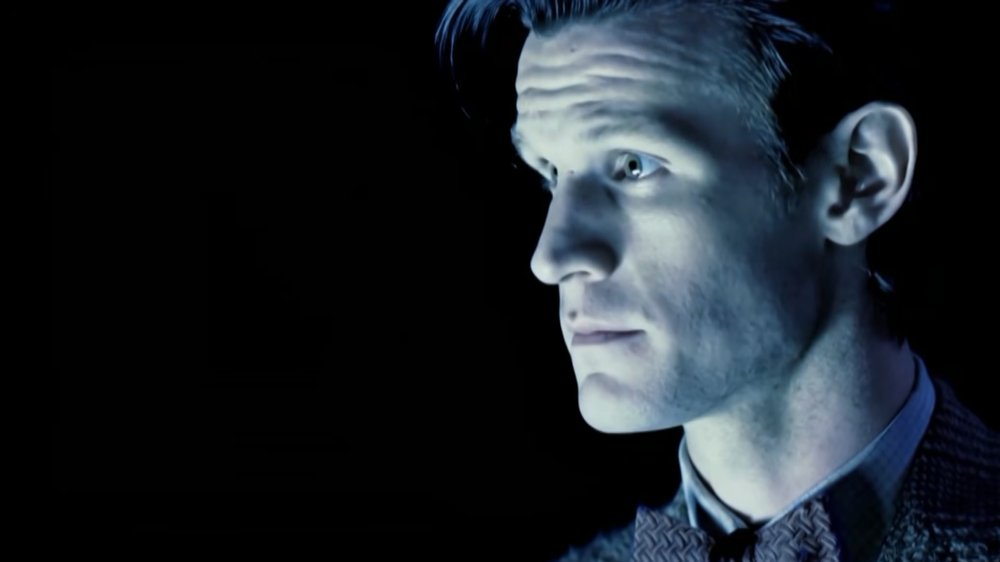
It’s too late though.
The Evil Doctor then reveals a plot point that I’m sure Chibnall only knew to use because he watched this serial in 2015: the Doctor had ten more incarnations before his childhood on Gallifrey (à la Timeless Child). It was the last of these Doctors who sealed the rift in the Medusa Cascade all that time ago. This Doctor was then attacked by the Medusoid swarm and injured beyond regeneration, but rescued by the Time Lords, who gave him a new regeneration cycle, de-aging him into a young child. The Doctors are understandably confused by their lack of recollection of these events, but it turns out that the Evil Doctor has already absorbed his first regeneration cycle, erasing it from history.
The Evil Doctor reveals himself as a huge, holographic head, who is promptly contacted by the Twelfth Doctor, who, with the help of K-9, has managed to bring all of the Doctors’ TARDISes into the Dark Dimension and temporarily immobilized the Evil Doctor. Eleven reveals that he has a plan: avoid the destruction of Gallifrey by freezing the planet in another universe.
This plan means that “The Ten Doctors” is basically an interquel to “The Day of the Doctor,” explaining how War, Ten, and Eleven got in contact with their other selves.
Gallifrey is saved, and the fracture in reality that created the Evil Doctor is wiped clean, causing him to cease to exist.
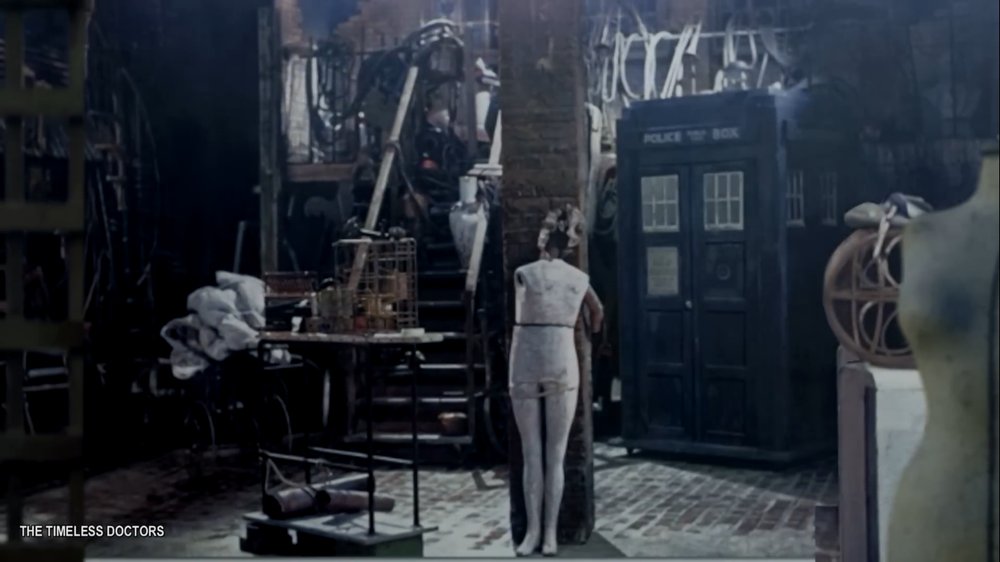
Obviously, Episode 4 renders the title of “The Ten Doctors” a seeming misnomer, but you can also interpret the title to be referring to the ten previous lives the Doctor lived before the known First. Don’t strike your keyboards in anger just yet folks, this timeless child arc was introduced nearly five years before Chibnall fumbled the ball.
Stuat’s telling of the arc is infinitely superior with the serial building on this lore by suggesting that each subsequent regeneration forgets more of their original identity as one of the so-called “Morbius Doctors,” offering a fan-theory-friendly explanation for why the First Doctor often seems the most grounded and wise despite being the least experienced when he meets his future selves.
What sets “The Ten Doctors” apart, especially in hindsight, is how respectfully it handles the idea of Doctors predating the First. When the serial concluded in 2015, this nod to the Morbius Doctors was surprisingly well-received, especially compared to the backlash that greeted the similar Timeless Child concept years later in the official series.
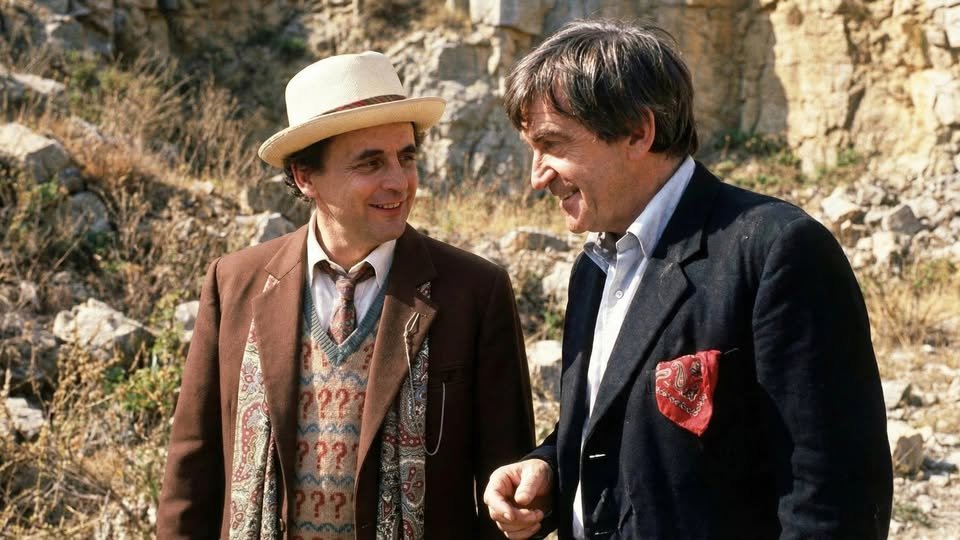
Perhaps that’s because “The Ten Doctors” was a fan-made labor of love; a multi-Doctor epic crafted by a single creator using only stock footage, voiceovers, and clever editing. That grassroots origin grants it a certain creative leeway, but even so, it never coasts on nostalgia alone. Instead, it actively works to explain long-standing continuity quirks and unresolved mysteries with more care and coherence than the actual show has sometimes managed.
Perhaps the most enjoyable aspect of this serial is watching and hearing the various incarnations of the Doctor ‘interact’ and ‘react’ to one another across scenes. It’s hard not to appreciate the sheer effort it must have taken to write a script that balances character, plot, and exposition while also combing through hours of archival audio to stitch together enough dialogue to feed multiple incarnations speaking with one another that feels fluid and natural. Credit where it’s due: that alone is a remarkable feat.
As previously mentioned, the serial relies almost entirely on manipulated stock footage. While today’s tools make compositing and masking more accessible, that wasn’t the case in the late 00s, making the visual results even more impressive. Some of the most beautiful scenes come when multiple Doctors appear convincingly within the same frame. It’s a monumental technical achievement, one that arguably outshines what the official series has managed, despite its access to hundreds of millions in budget and a full production team.
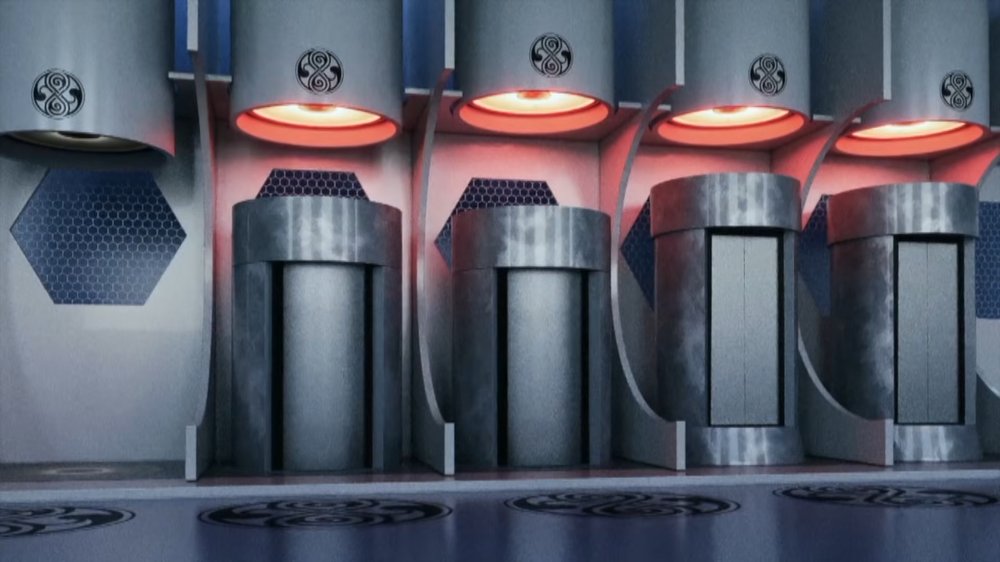
While the compositing and editing work is undeniably impressive, the reliance on stock footage does lead to occasional continuity hiccups that can momentarily pull viewers out of the experience. For example, the First Doctor is inconsistently portrayed through clips of William Hartnell and Richard Hurndall; the Second Doctor’s hair inexplicably shifts between grey and black; and the Tenth Doctor’s suit alternates between his brown and blue versions. Perhaps the most noticeable issue, though likely dependent on my individual copy, is the video quality being stuck at 480p.
There are also brief moments, maybe 1% of the entire four-part serial, where the voices of the Doctors noticeably change due to the use of impressions to fill in dialogue gaps where no suitable archival audio existed. Jonathon Carley, now known for voicing the War Doctor for Big Finish, lends his talents here as well, voicing Seven, Eight, and Ten. Ironically, despite playing the War Doctor elsewhere, he doesn’t deliver any dialogue for that incarnation here.
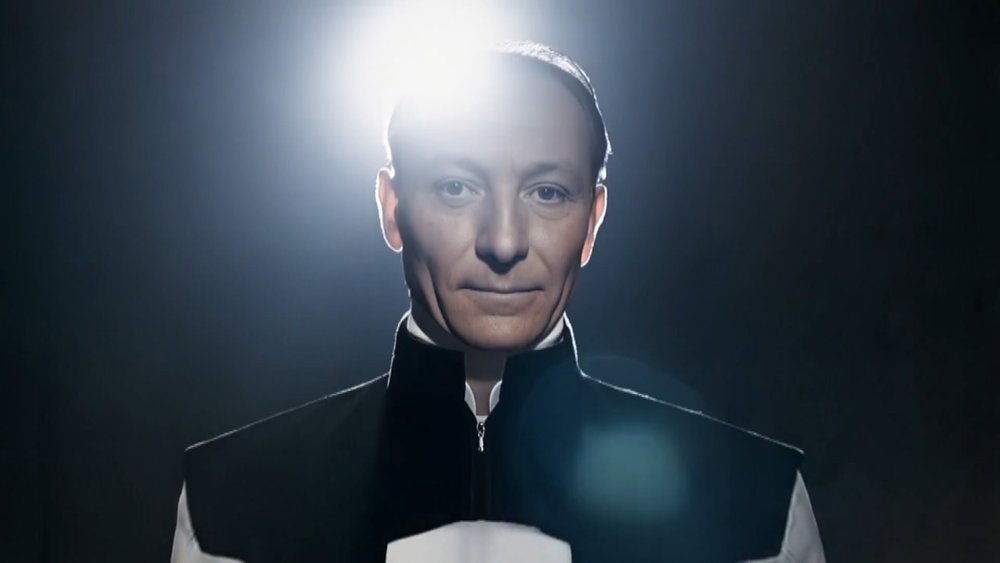
All of this makes the upcoming “The Timeless Doctors” retelling particularly exciting. Unlike its predecessor, this version will feature newly filmed material, dedicated actors, high-quality voiceover performances, and a team of dozens who’ve been working on the project for nearly seven years now. With hundreds of new and improved visual effects promised, the remaster aims to elevate what was already an extraordinary fan effort into something truly cinematic.
In the end, “The Ten Doctors” stands as a remarkable tribute to Doctor Who. Not just as a fan endeavor, but as a passionate, ambitious celebration of the show’s legacy. Its rough edges are easy to forgive when weighed against the sheer dedication and creative ingenuity behind it. It may not have had a BBC budget, but it had heart, vision, and a reverence for the source material that’s hard to replicate. With “The Timeless Doctors” on the horizon, and if the original is anything to go by, fans of Doctor Who are in for a treat later this month.